Science Behind Aging Gracefully: How Your Body Transforms Over Time
This article explores the science of aging gracefully, showing how your body changes as you grow older—and what you can do to stay strong, engaged, and resilient through every stage of life. It breaks down practical, research-backed strategies that support physical, mental, and emotional well-being over time. It also:
- Explains what does aging gracefully mean beyond appearance, focusing on function, independence, and quality of life.
- Describes how the aging process affects muscles, brain health, and energy levels.
- Highlights the importance of strength training, staying physically active, and preventing mobility decline.
- Shows how social activity supports mental health and longevity for older adults.
- Shares clear tips for aging gracefully and how to recognize how you can tell if you are aging well.
Aging is inevitable. The way in which we experience it is not. The concept of aging gracefully has evolved far beyond simply “looking good” as we grow older. Today, it’s about maintaining strength, energy, mental clarity, and purpose as the body changes over time. Understanding the science behind the aging process can help you make choices that support vitality, independence, and quality of life well into later years.
So what does it really mean to age gracefully, and how can you tell if your body is aging well? Let’s take a closer look at how the body transforms with age—and what you can do to support it.
What Does Aging Gracefully Mean?
Many people ask, what does aging gracefully mean? At its core, it’s about adapting to the natural changes that come with aging while preserving physical function, mobility, cognitive health, and emotional well-being. Aging gracefully isn’t about stopping time or chasing youth. It’s about supporting your body and mind so they continue to work well as you grow older.
To age gracefully means maintaining physical independence, staying mentally sharp, and remaining socially connected. It also involves managing or preventing chronic health problems when possible and continuing to find purpose, meaning, and enjoyment in daily life. While the experience of aging looks different for everyone, the common thread is resilience—the ability to stay engaged, capable, and fulfilled physically, mentally, and emotionally over time.
The Biology of the Aging Process
The aging process affects every system in the body. Over time, cells divide more slowly, tissues repair less efficiently, and hormone levels shift. These changes are normal, but their impact varies greatly depending on lifestyle, genetics, and environment.
Some key biological changes include:
- Gradual loss of muscle mass and bone density
- Slower metabolism
- Reduced cardiovascular efficiency
- Changes in immune function
- Alterations in brain chemistry and neural connections
While these changes are natural, they are not entirely out of your control. Research shows that lifestyle choices can significantly influence how quickly—or slowly—these changes occur.
Physical Changes: Strength, Mobility, and Energy
One of the most noticeable aspects of aging is the change in physical strength and endurance. Without intervention, adults can lose up to 3–8% of muscle mass per decade after age 30. This loss accelerates with inactivity.
The good news? Strength training can dramatically slow—or even reverse—this decline.
Why Strength Training Matters
Strength training stimulates muscle growth, improves bone density, enhances balance, and supports metabolic health. For older adults, it’s one of the most powerful tools for maintaining independence and preventing falls.
Benefits include:
- Preserved muscle mass
- Stronger bones
- Improved posture and joint stability
- Better blood sugar regulation
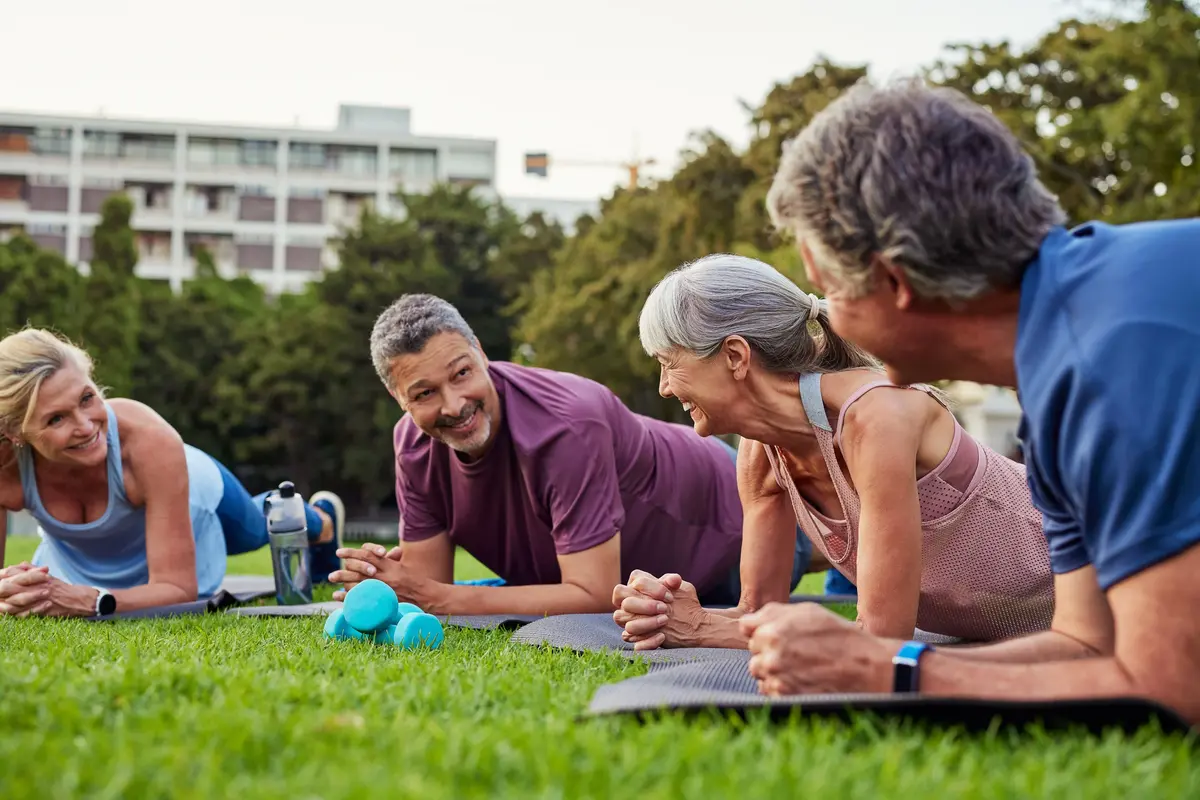
Being physically active doesn’t require extreme workouts. Even moderate resistance exercises two to three times per week can have profound effects on longevity and function.
Staying Active as You Age
Beyond structured workouts, staying active throughout the day plays a major role in how you age. Walking, gardening, stretching, swimming, and recreational sports all contribute to mobility and cardiovascular health.
Studies consistently show that people who remain physically active experience lower rates of chronic disease, better cognitive function, improved mood and sleep, and greater longevity.
Movement signals the body to maintain strength, coordination, and circulation. Inactivity, on the other hand, accelerates decline and increases the risk of health problems such as diabetes, heart disease, and osteoporosis.
Cognitive and Emotional Changes Over Time
Aging doesn’t just affect the body—it also influences the brain. Some changes in processing speed and memory retrieval are normal. However, significant cognitive decline is not an inevitable part of aging.
Protective factors include:
- Regular physical activity
- Lifelong learning
- Quality sleep
- Stress management
- Strong social connections
Mental engagement helps preserve neural pathways, while physical movement increases blood flow to the brain and supports neuroplasticity.
The Role of Social Activity in Aging Well
One of the most overlooked aspects of aging gracefully is social activity. Human connection plays a powerful role in emotional health, cognitive resilience, and even physical longevity.
Research shows that individuals who maintain strong social ties:
- Have lower rates of depression
- Experience slower cognitive decline
- Show better immune function
- Live longer on average
For older adults, social engagement—whether through family, friendships, volunteering, or group activities—acts as a protective factor against isolation and decline.
Common Health Problems and How to Reduce Risk
As people grow older, the risk of chronic conditions increases. These may include cardiovascular disease, arthritis, metabolic disorders, and neurodegenerative conditions. While genetics play a role, lifestyle choices heavily influence outcomes.
Strategies that reduce risk include:
- Regular movement and strength training
- Balanced nutrition rich in protein and healthy fats
- Consistent sleep patterns
- Stress reduction
- Preventive medical care
Aging gracefully doesn’t mean avoiding all illness—it means improving resilience and recovery when challenges arise.
How Can You Tell If You Are Aging Well?
While there’s no single test, several signs suggest healthy aging:
- You can perform daily activities independently
- You recover well from physical exertion
- You maintain balance and coordination
- Your energy levels are stable
- You remain socially and mentally engaged
If you’re still curious, learning how to age gracefully often begins with paying attention to these functional markers rather than focusing solely on appearance or age.
Practical Tips for Aging Gracefully
If you’re looking for actionable tips for aging gracefully, focus on consistency over intensity. Small habits practiced daily compound over time.
Key strategies include:
- Engage in strength training 2–3 times per week
- Stay physically active every day, even in small ways
- Prioritize sleep and stress management
- Maintain regular social activity
- Eat nutrient-dense foods that support muscle and brain health
- Schedule routine health checkups
These habits support both longevity and quality of life.
Aging Gracefully Is an Active Process
Aging isn’t something that happens to you—it’s something you participate in. The science is clear: people who take an active role in their health experience a more vibrant, capable, and fulfilling life as they grow older.
To age gracefully means adapting, staying curious, and supporting your body through movement, connection, and intentional living. While the aging process brings change, it also offers opportunity—the opportunity to redefine what strength, purpose, and vitality look like at every stage of life.
Graceful aging isn’t about resisting time. It’s about moving with it—strong, engaged, and well-supported every step of the way.
Curious about applying anti-aging science to your own life? Contact us to arrange a personalized consultation. Let’s map out a plan tailored to your goals for aging with health, strength, and confidence.