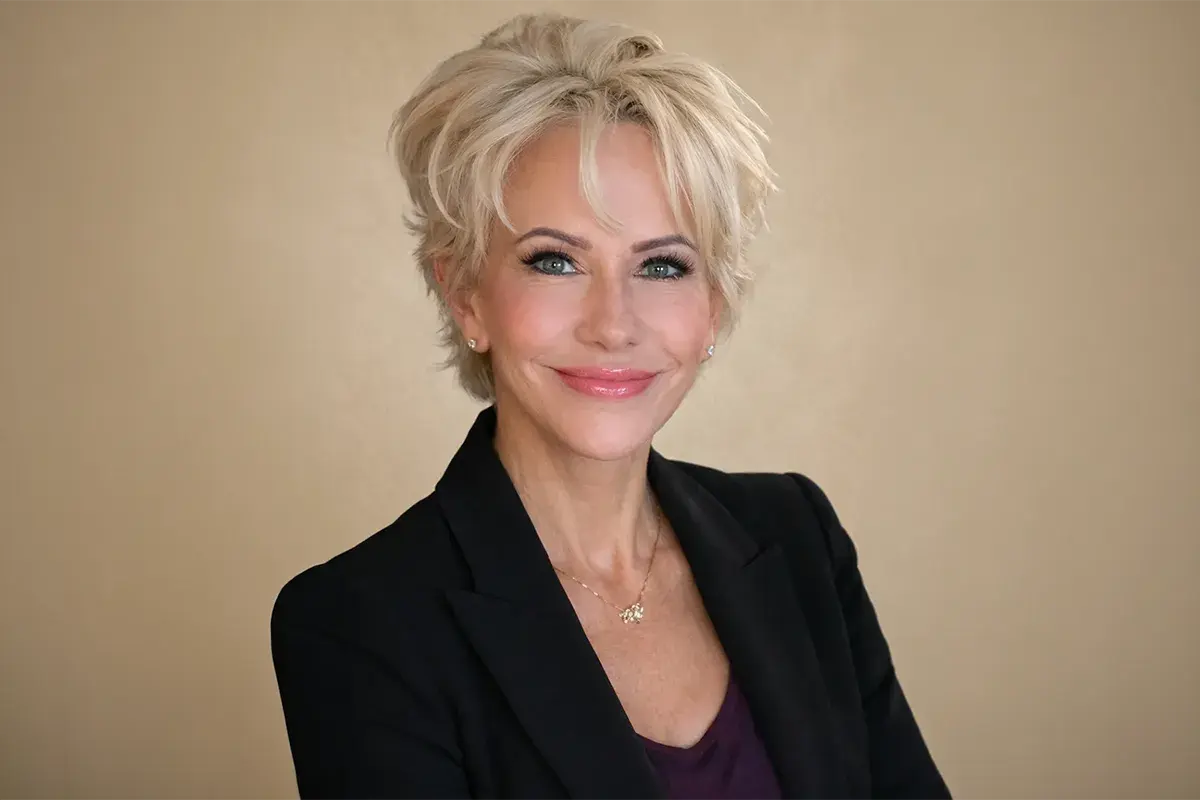
Meet Dr. Martin Moore-Ede: The Circadian Science Pioneer Helping EverSpan Members Sleep Better and Live Longer
When it comes to longevity, most people think about diet, exercise, or genetics. But one of the most powerful drivers of long-term health operates quietly every day and night: your circadian clock.
For more than four decades, Dr. Martin Moore-Ede, M.D., Ph.D. has been one of the world’s leading experts studying how light and circadian rhythms influence human health. As a former professor at Harvard Medical School, Dr. Moore-Ede helped identify the brain’s master biological clock and uncover how light synchronizes the body’s daily rhythms.
Today, as a member of the EverSpan Life Medical Advisory Board, Dr. Moore-Ede brings that expertise to a new mission: helping translate cutting-edge circadian science into practical strategies that improve sleep, metabolic health, and long-term healthspan.
Why Circadian Health Matters for Longevity
Many people assume sleep is simply about feeling rested. But according to Dr. Moore-Ede, sleep and circadian rhythms are deeply tied to some of the most important biological systems in the body.
“Regular morning exposure to natural daylight and minimizing light exposure at night are major determinants of long-term health,” he explains.
Research has shown that strong circadian rhythms help regulate:
- Metabolic health
- Immune function
- Hormone production
- Brain performance
- Cardiovascular health
When the circadian system becomes disrupted — through irregular sleep schedules or excessive light exposure at night — the risks increase dramatically.
Circadian disruption has been linked to higher rates of obesity, diabetes, heart disease, immune disorders, psychiatric illness, and several cancers.
In other words, sleep isn’t just about energy the next day. It’s about protecting the body’s repair systems that operate every night.
A Career Defining the Science of the Body’s Clock
Dr. Moore-Ede’s contributions to circadian science helped shape the modern understanding of how the human body keeps time.
During his years at Harvard Medical School, he led the research team that identified the suprachiasmatic nucleus, the region of the brain that acts as the body’s master biological clock. His work demonstrated how this clock is synchronized by environmental light and darkness.
That discovery transformed the understanding of how the body coordinates:
- Sleep and wake cycles
- Hormonal rhythms
- Metabolism
- Cognitive performance
After his academic career, Dr. Moore-Ede founded the international consulting firm CIRCADIAN, which helps global organizations manage the health and safety challenges of operating around the clock in a 24/7 economy.
His research has led to innovations that have been implemented in the operations of more than 65 Fortune 500 companies, helping improve worker safety, fatigue management, and health outcomes.
He has authored ten books and more than 160 scientific publications, and his most recent book, The Light Doctor: Using Light to Boost Health, Improve Sleep and Live Longer, became an Amazon bestseller and was named a Best Book of 2025 by Kirkus Reviews
The Misconception About Melatonin
One of the most common misunderstandings in sleep science involves melatonin.
“Many people believe melatonin is the ‘sleep hormone,’” Dr. Moore-Ede says. “But its real function is to signal to the body that it is dark outside and time to begin the nightly repair process.”
Melatonin acts more like a biological time signal, coordinating internal processes across the body so cells can shift into restoration mode.
In normal physiological levels, melatonin does not necessarily cause sleepiness. Instead, it tells the body that night has arrived — allowing metabolic repair, immune function, and cellular recovery to begin.
Understanding this distinction is crucial for designing strategies that support natural circadian rhythms rather than trying to override them.
The Early Warning Signs Most People Miss
Circadian disruption often develops quietly, long before major health problems appear.
One of the earliest warning signs is irregular sleep patterns, such as inconsistent bedtimes, variable wake-up times, or frequent nighttime awakenings.
“When sleep becomes irregular or fragmented, it often means the circadian system is no longer strongly synchronized to the natural day-night cycle,” Dr. Moore-Ede explains.
Over time, weakened circadian rhythms can contribute to:
- Metabolic disorders
- Immune dysfunction
- Hormonal imbalance
- Increased chronic disease risk
Identifying these patterns early allows clinicians to intervene before deeper health problems develop.
What Traditional Healthcare Often Gets Wrong
One area where Dr. Moore-Ede believes modern health advice has gone astray is the widespread recommendation to avoid sunlight.
“People are often told to stay out of the sun because of the risk of skin cancer,” he says. “But the larger health risk comes from staying indoors and losing natural light exposure.”
Natural daylight is one of the most powerful regulators of the circadian system.
Regular outdoor light exposure helps anchor the body’s biological clock, strengthening the timing of sleep, hormones, metabolism, and immune function.
According to research Dr. Moore-Ede cites, the long-term health benefits of natural daylight exposure dramatically outweigh the relatively small risks associated with moderate sun exposure.
Why Biomarker Tracking Matters
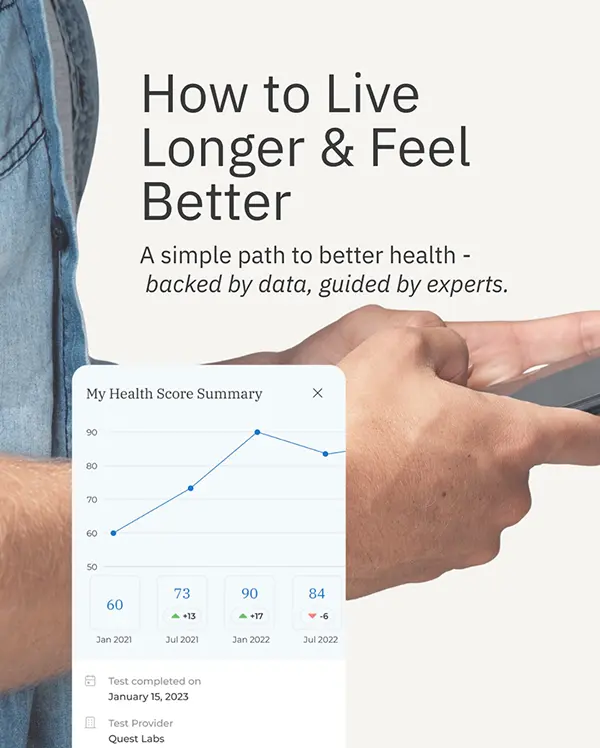
At EverSpan Life, circadian health is evaluated alongside other biological systems using advanced biomarker testing and tracking.
Dr. Moore-Ede emphasizes that early detection is essential.
“Identifying changes in the timing of physiological processes gives us a head start in preventing serious health consequences,” he says.
New technologies, including wearables that track light exposure, sleep patterns, and activity rhythms, are providing unprecedented insight into how well a person’s circadian system is aligned with the natural 24-hour day.
Combined with metabolic and inflammatory biomarkers, these insights help clinicians design targeted strategies that restore healthy biological rhythms.
Translating Science Into Real-World Solutions
Over the course of his career, Dr. Moore-Ede has moved beyond research to build practical solutions.
His work led to the development of the first evidence-based circadian lighting systems, designed to deliver light spectra that support biological rhythms during the day while protecting circadian health at night.
These lighting systems have been implemented in hospitals, workplaces, and industrial operations to improve safety, performance, and long-term health outcomes.
Now, through EverSpan Life, Dr. Moore-Ede is helping apply these insights to individuals seeking to improve their healthspan.
Why Dr. Moore-Ede Joined EverSpan Life
For Dr. Moore-Ede, joining the EverSpan Medical Advisory Board was about turning decades of research into meaningful impact for individuals.
“I joined EverSpan Life to help translate the science into practical solutions that will extend lifespan and healthspan,” he explains.
He is particularly excited to collaborate with a multidisciplinary team dedicated to helping people optimize their health using modern science and personalized data.
A New Era of Circadian-Driven Longevity
Circadian science has fundamentally changed the understanding of health and aging.
Sleep, light exposure, metabolic rhythms, and hormonal timing all interact to determine how efficiently the body repairs itself over time.
With the guidance of experts like Dr. Moore-Ede, EverSpan Life is bringing this science out of research labs and into everyday life.
Because when the body’s biological clock is aligned with the natural rhythm of day and night, something powerful happens:
The body becomes better equipped to restore, repair, and protect itself for decades to come.