A personalized, data-driven approach to women’s hormone health, metabolism, and longevity.
Get your hormones testedBy 2030, over 1.3 billion women worldwide will be in menopause or perimenopause, yet women’s hormone health remains one of the most under-taught and under-treated areas in medicine.
Feeling dismissed is common. Being dismissed is not acceptable.
Let's start with your biomarkersWomen tend to outlive men, yet spend significantly more years dealing with fatigue, metabolic disease, cognitive decline, and cardiovascular risk.

This “female longevity gap” is closely tied to hormonal and metabolic changes that accelerate during midlife, especially when left unaddressed.
is the leading cause of death in women.
increases cardiometabolic and brain risk.
is one of the most biologically disruptive phases of a woman's life.
early intervention windows are often missed.
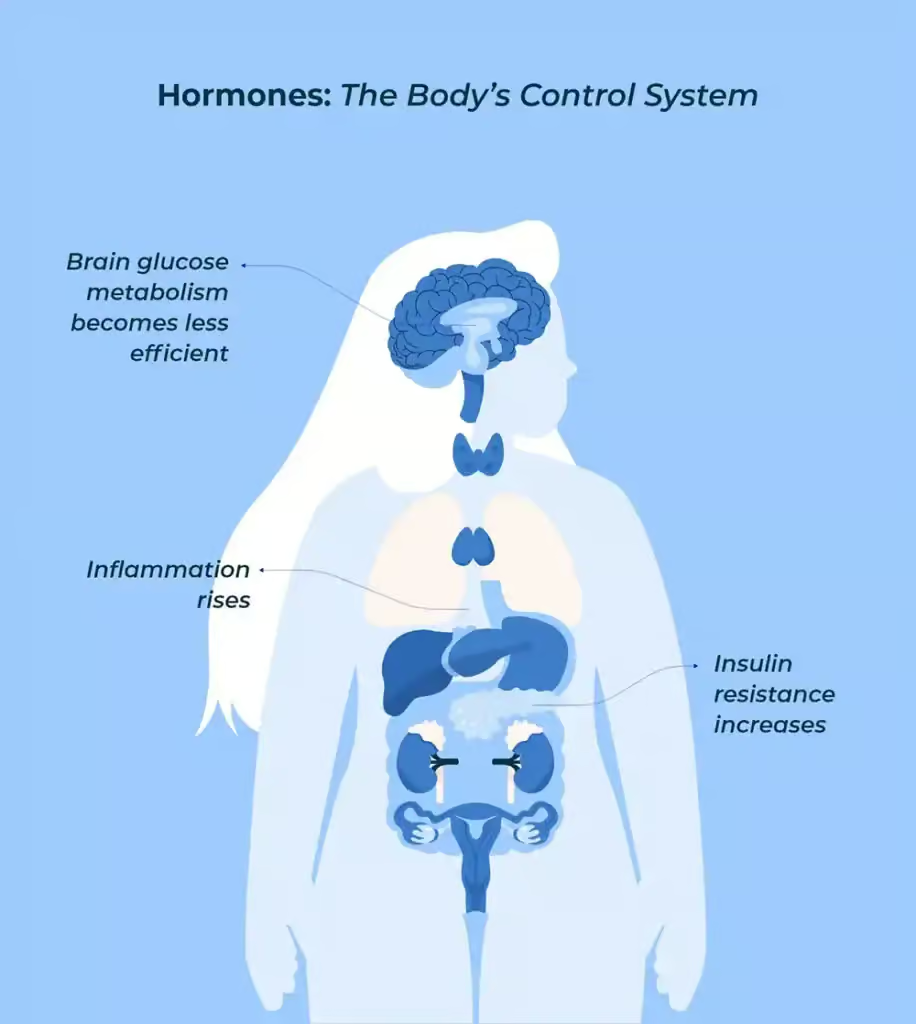
Estrogen, progesterone, testosterone, thyroid hormones, and cortisol regulate how your body produces energy, processes glucose, protects your brain, and repairs itself.
As estrogen declines:
These changes are measurable, predictable, and modifiable — when tested and addressed early.
Understanding the biological drivers behind the symptoms women experience during midlife and hormonal transition.
Impacts cardiovascular, bone, and brain health.
Affects energy, strength, libido, and fat distribution.
Frequently overlooked contributor to fatigue and weight gain.
Associated with reduced brain volume and impaired metabolism.
A driver of accelerated aging and disease risk.
Causes disproportionate cardiovascular harm in women.
Much of today's fear around hormone therapy traces back to outdated studies and one-size-fits-all approaches.
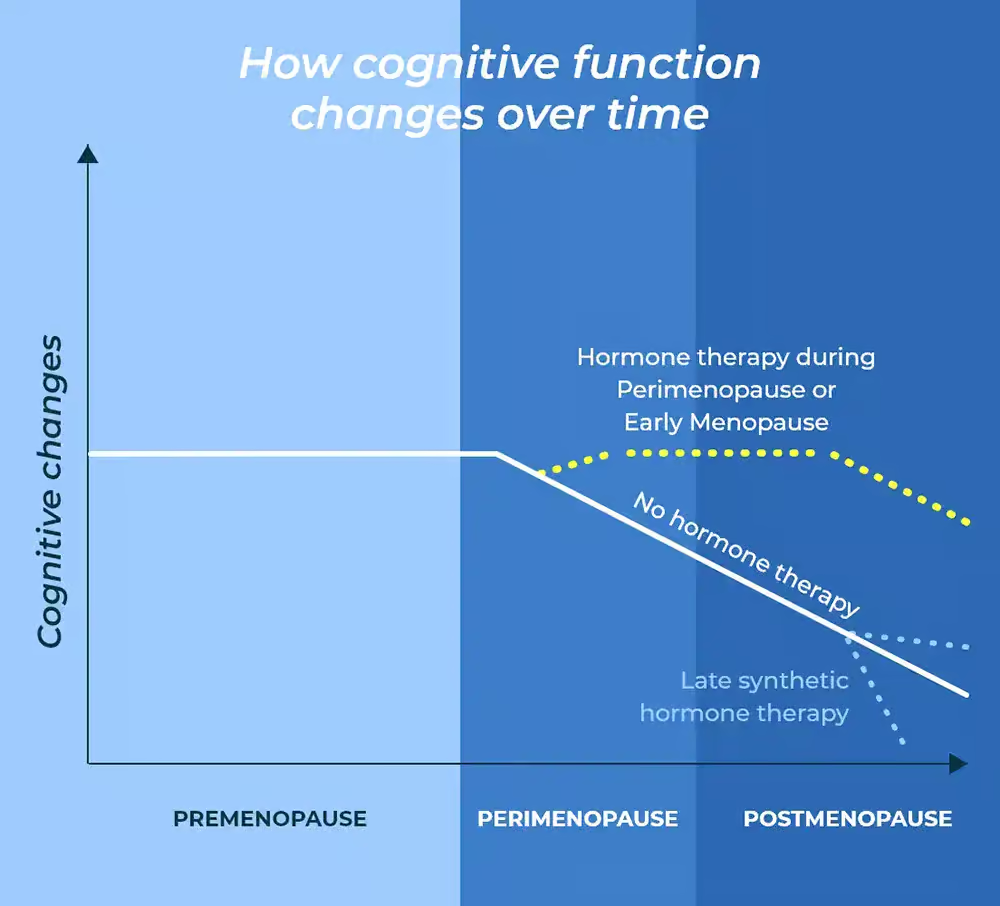
Modern evidence shows that appropriately timed, personalized hormone therapy does not cause harm in younger menopausal women and may offer protective benefits when clinically indicated.
You deserve facts — not fear.
Hormone therapy is always a shared, individualized decision guided by data, risk assessment, and ongoing monitoring.
"Women interviewed reported real quality-of-life improvements (energy, focus, libido) after hormone therapy, underscoring that these treatments can be transformative when used carefully."
Women make up nearly two-thirds of Alzheimer's cases, and research shows that brain metabolic decline often begins years before symptoms, closely linked to estrogen loss and mitochondrial dysfunction.
There is likely a critical window where supporting hormones and metabolism matters most.
Missing that window has consequences.
Ruehr L, et al. Frontiers in Neuroendocrinology 77 (2025): 101174. Flannery JC, et al. Hormones and Behavior 170 (2025): 105710.