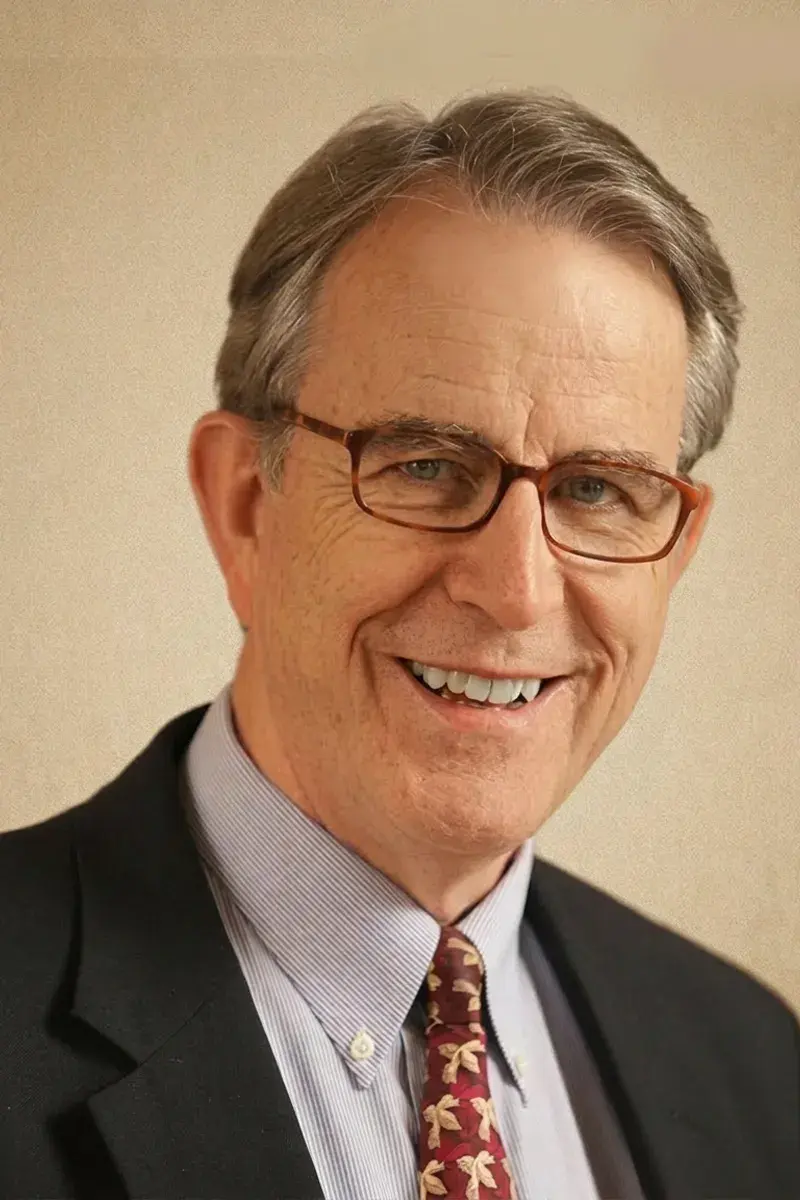
For over 40 years, Dr. Moore-Ede has been a world-leading expert on circadian clocks and the health problems caused by electric light at night. As a professor at Harvard Medical School (1975 – 1998), he led the team that located the suprachiasmatic nucleus, the biological clock in the human brain that controls the timing of sleep and wake, and showed how it is synchronized by light. Since 2010, he has directed the Circadian Lighting Research Center team that identified the key blue signal that synchronizes circadian clocks and developed patented LED lights, which provide circadian-optimized light across day and night based on comprehensive medical research. The effectiveness of these circadian-modulated lights in improving health and well-being has been validated by installing them in the 24-hour operations of Fortune 500 companies and hospitals. He has published over 160 scientific articles and authored ten books.
For over 40 years, Dr. Moore-Ede has been a leading expert on circadian clocks and their entrainment and disruption by light. As a professor at Harvard Medical School (1975 – 1998), he led the team that located the suprachiasmatic nucleus, the biological clock in the human brain that controls the timing of sleep and wake, and pioneered research on how the human body can safely adapt to working around the clock.
In 1983, Dr. Moore-Ede founded the global consulting and technology firm, CIRCADIAN® (www.circadian.com), which optimizes 24/7 workforce productivity, health, and safety with a client base that includes over half of the Fortune 500. To address his clients’ growing concerns about the harmful effects of conventional fluorescent and LED lighting on workplace health, safety, and performance, Dr. Moore-Ede spun off CIRCADIAN ZircLight in 2011 to develop evidence-based LED circadian lighting systems that provide physiologically optimized light spectra across day and night based on comprehensive medical research and a proprietary IP portfolio. Korrus acquired the lighting assets of CIRCADIAN ZircLight in 2022, and Dr. Moore-Ede became Chief Medical Advisor of Korrus.
Dr. Moore-Ede graduated with a First Class Honors degree in Physiology from the University of London, and received his medical degrees from Guy’s Hospital Medical School and his Ph.D. in Physiology from Harvard University. He has published 10 books and more than 160 scientific papers on the physiology of the circadian system, interaction with environmental light, and the consequences of circadian disruption, including human fatigue, errors, and accidents. Dr. Moore-Ede holds multiple patents on assessing and mitigating circadian disruption and fatigue.
He has served on multiple national and international committees and has received numerous awards, including the Bowditch Lectureship of the American Physiological Society. He is a frequent guest on television (CNN, Today Show, Good Morning America, 20:20, Dateline, Oprah Winfrey, Nova, BBC), radio (NPR Fresh Air, Connection), and print media (Wall Street Journal, New York Times, Washington Post, Time, and Newsweek). He has testified before Congressional committees on multiple occasions and advised government agencies on the health and safety of the 24/7 workforce in the US, Canada, and Europe.
Education
University of London
Guy's Hospital Medical School
Harvard University
Notable Publications / Research / Media, etc.
10 books and 164 scientific peer-reviewed articles on light, circadian clocks, fatigue, and health.
Areas of Expertise
Metabolic, Longevity Medicine, Preventive Medicine, Sleep / Circadian
In simple terms, what is your specialty?
Dr Martin Moore-Ede is a former Harvard Medical School professor and a world-leading expert on circadian clocks and how light impacts human health and productivity. His latest book, THE LIGHT DOCTOR: Using Light to Boost Health, Improve Sleep and Live Longer, is an Amazon best seller and was just named a Best Book of 2025 by Kirkus Reviews.
Why is this critical for healthspan (not just lifespan)?
Regular morning exposure to natural outdoor daylight and avoidance of blue-containing light during nocturnal hours is a major determinant of healthspan. Getting outside every day can add years to your health span and lifespan because it reduces the risk of obesity, diabetes, and heart disease. psychiatric illness, immune disorders, and breast, prostate, and colorectal cancers. Exposure to excessive light at night increases the risk of these conditions and shortens healthspan.
What is one misconception about your field?
Thinking that melatonin is the sleep hormone. It actually is the signal the body uses to inform the cells. organs and metabolic processes, it is dark outside, and time to go into the repair and restore mode. At normal physiological levels, melatonin does not cause sleepiness. Only in excessive pharmacological doses will it cause drowsiness.
What early warning markers do most people overlook? And what happens long-term if this area is ignored?
When sleep patterns become irregular, with inconsistent bedtimes or irregular wake-up times, or sleep becomes disrupted with frequent awakenings, this is an indicator of a sleep-wake disorder, or that your circadian system is not robustly entrained to the natural 24-hour day-night cycle. Weak circadian entrainment is a harbinger of metabolic and immune disorders and other health risks.
What does traditional healthcare get wrong about prevention?
Counselling people to stay out of the sun because of the risk of skin cancer from UV exposure. In reality, the risk is small and is dwarfed by the risk of staying indoors. For every life saved from malignant skin cancers by avoiding the sun, 75 lives will be lost from early death from cardiovascular disease and other causes because of the lack of sunlight exposure.
Why does advanced biomarker testing and tracking matter?
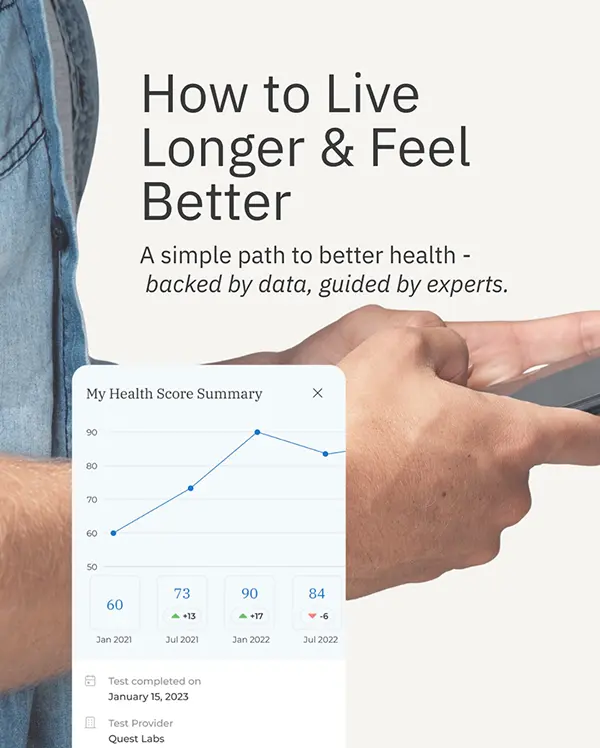
Identifying changes in the timing of physiological processes before serious consequences arise give us a critical head start in correcting and heading off developing medical and psychological problems. Wearables that detect a person’s exposure to light and dark around the clock, and their sleep/wake and activity patterns, give us insight into how well their circadian system is adapted to the natural 24 hour day-night cycle.
Was there a defining moment in your career?
There was not a single defining moment, but several key moments come to mind.
1. The opportunity to build a research laboratory at Harvard Medical School and recruit a highly talented team that defined the human circadian system, including the discovery of the location of the master circadian pacemaker in the brain, and showing how it was synchronized by light and dark.
2. The formation of the international consulting firm, CIRCADIAN, to address the challenges of 24/7 work in the global economy.
3. The recognition of the health problems created by electric light at night, and the identification of a narrow band of blue wavelengths that synchronize circadian clocks during the day but cause disruption and ill health at night.
4. The development of the first evidence-based circadian lights and the demonstration of their effectiveness in the real-world operations of 65 Fortune 500 companies.
Why did you join EverSpan Life?
To help translate the science into practical solutions that will extend lifespan and healthspan.
What excites you most about ESL’s mission?
To join a multidisciplinary team devoted to helping people live their best lives.
Current Practice or Institution Affiliation
EverSpan Life
Board Certifications
APTA
Education
Doctorate PT
Areas of Expertise
Preventative Medicine, Functional Medicine, Sports Medicine, Peptides
In simple terms, what is your specialty?
Diagnosis, prevention, and treatment of musculoskeletal injuries
Why is this critical for health span (not just lifespan)?
Movement is critical
What is one misconception about your field?
It is like massage
What early warning markers do most people overlook? And what happens long term if this area is ignored?
Inflammatory markers
What does traditional healthcare get wrong about prevention?
Traditional medicine does not address prevention and instead works with sick or injured care
Why does advanced biomarker testing and tracking matter?
Allows you to be preventative
Was there a defining moment in your career?
When I encountered health issues and my fathers journey with Lewy Body Dementia
Why did you join EverSpan Life?
Best option out there
What excites you most about ESL’s mission?
They are really geared toward the clients journey