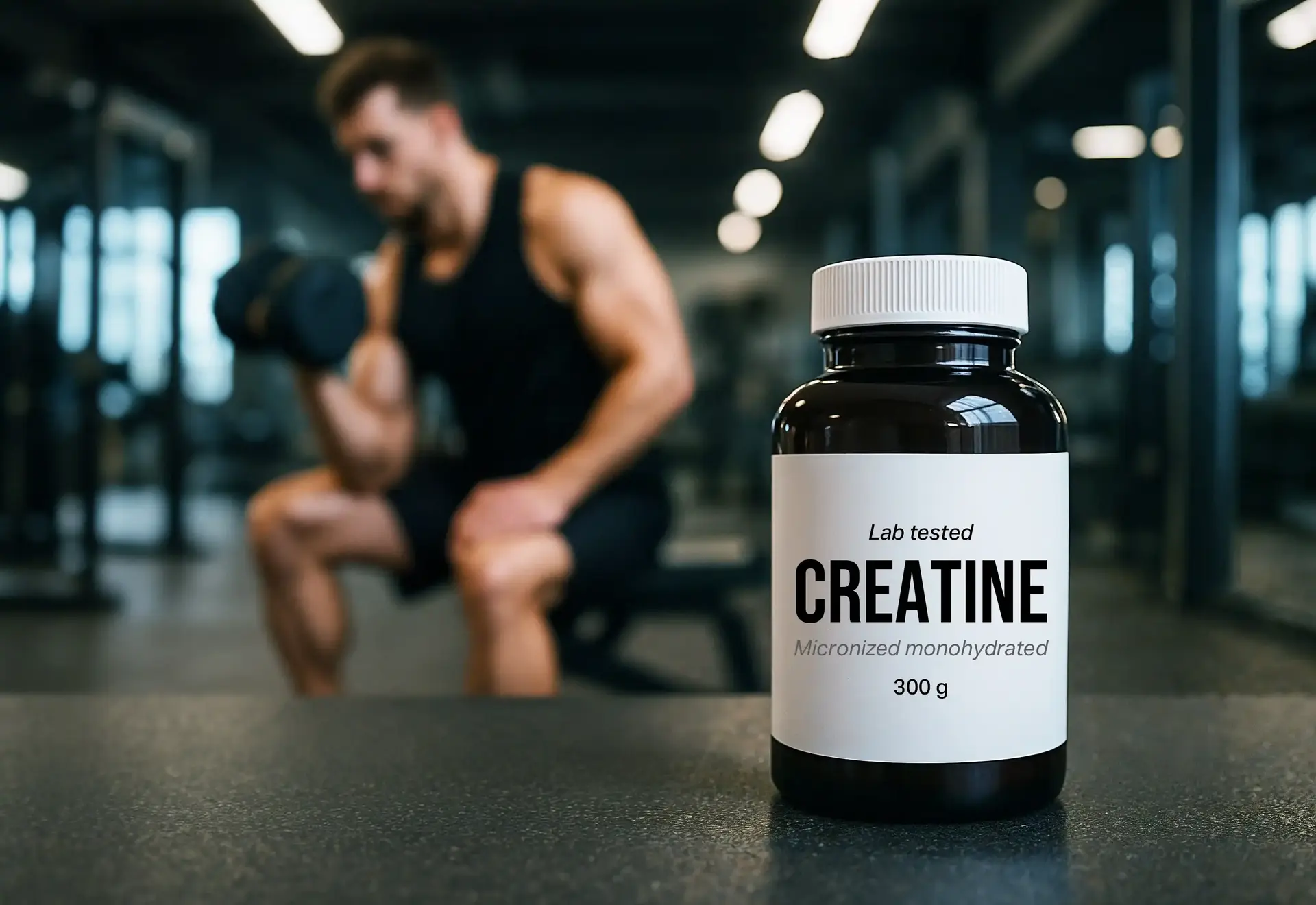
Creatine 101: Boost Your Strength, Endurance, and Brain Power
In this guide, you’ll learn how creatine for strength and muscle growth works, why it supports endurance and recovery, and what makes it one of the most effective supplements for both athletes and everyday health.
- Explains how creatine increases adenosine triphosphate (ATP) for improved energy output.
- Highlights the effect of creatine supplementation on muscle power, performance, and recovery.
- Covers the benefit of creatine for brain health, focus, and cognitive protection.
- Breaks down dosage guidelines and potential side effects to ensure safe use.
- Recommends supplementing with creatine for better strength training, muscle endurance, and long-term wellness.
What is Creatine?
Creatine is a natural compound that helps your body produce energy quickly. Most of it (roughly 95%) is stored in your muscles, with the rest in your brain, liver, kidneys, and testes. You can get creatine from foods like meat, fish, and poultry, or through supplements.
When you choose to supplement with creatine, you’re providing your muscles with an additional energy reserve that supports both short bursts of activity and long-term performance.
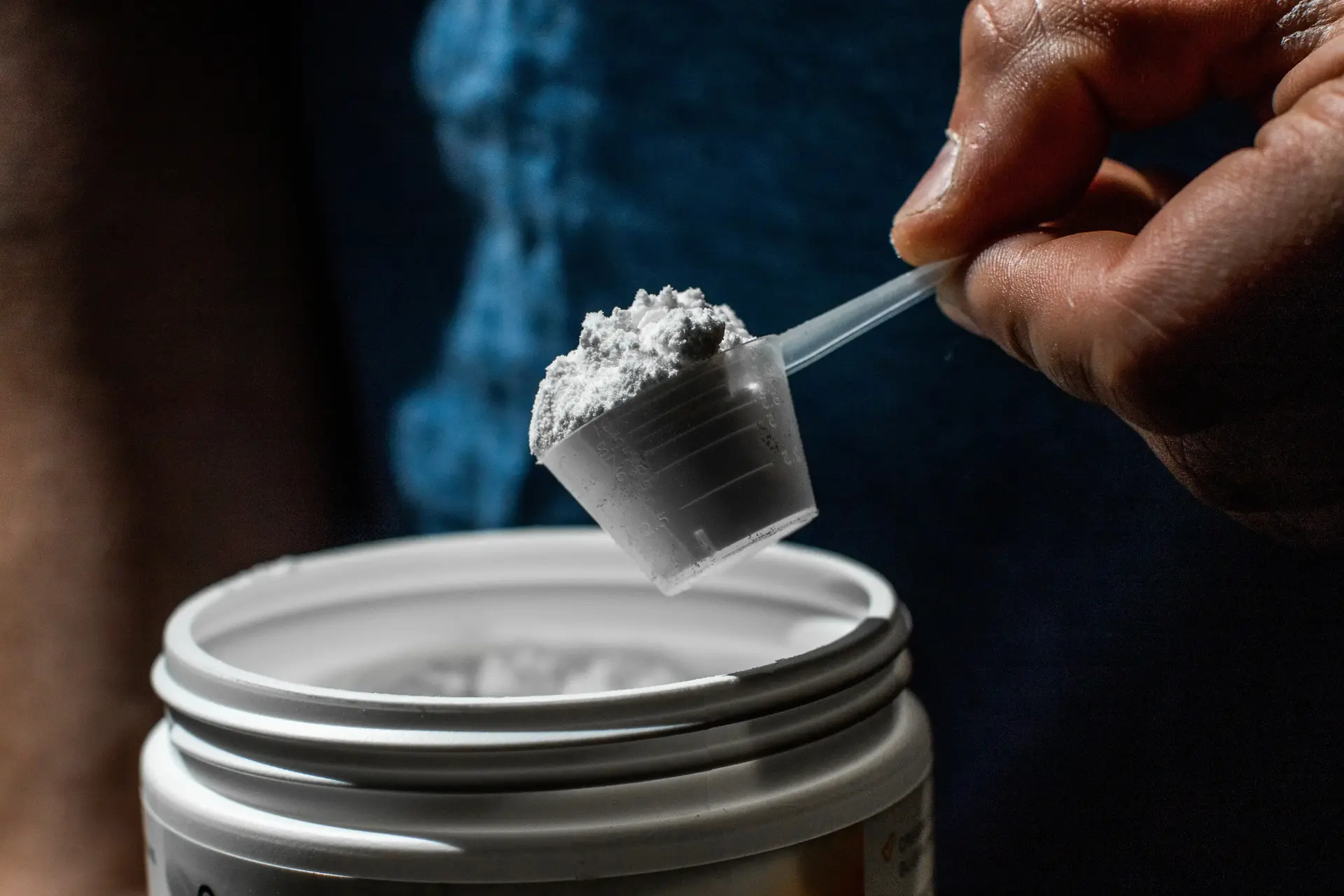
How Does Creatine Work?
Creatine helps your muscles generate energy during high-intensity activities. By increasing the availability of adenosine triphosphate (ATP)(your body’s primary energy source), it allows you to lift more, run faster, or perform more repetitions before fatigue sets in.
The effect of creatine supplementation on ATP regeneration is one of the main reasons it’s considered essential for athletes engaged in strength training, sprinting, and resistance workouts. It essentially gives your cells more fuel to perform at their best.
Benefits of Creatine
The benefit of creatine goes well beyond the gym. Research has suggested that creatine supports multiple systems throughout the body, making it one of the most versatile supplements available.
- Creatine for Strength and Muscle Growth: Increases power, muscle mass, and total workload capacity especially during strength training and other resistance exercises.
- Creatine for Muscle Endurance: Improves stamina during repeated bouts of high-intensity exercise, helping you perform better over longer sessions.
- Creatine Muscle Recovery: Reduces post-exercise inflammation, supports muscle repair, and shortens recovery time.
- Creatine and Brain Health: Enhances memory, attention, and cognitive processing, particularly during sleep deprivation or stress.
- Metabolic Health: May help lower cholesterol, improve lipid profiles, and reduce homocysteine levels, supporting overall cardiovascular balance.
It’s also been suggested that creatine plays a neuroprotective role, benefiting both athletes and non-athletes who want to maintain long-term brain performance.
Forms of Creatine
The most researched and effective form is creatine monohydrate. Other types include:
- Creatine hydrochloride (HCl)
- Creatine ethyl ester
- Buffered creatine
- Liquid creatine
- Creatine magnesium chelate
While these alternatives exist, the majority of data on the effect of creatine supplementation supports creatine monohydrate as the gold standard for strength, endurance, and recovery.
How to Take Creatine
A daily dose of 3–5 grams is recommended. Some studies suggest taking it after exercise may offer slight advantages, but timing isn’t critical. For beginners, a loading phase is optional: 20 grams per day for 5–7 days, followed by a maintenance dose of 3–5 grams per day.
If your goal is to enhance performance and recovery, consistency matters more than timing. For best results, supplement with creatine alongside a balanced diet and structured training plan.
Is Creatine Safe?
Yes, Creatine has been extensively studied and is safe for healthy adults. Drink plenty of water, about 3 liters per day, to support its effectiveness and reduce digestive discomfort. People with kidney disease or other medical conditions should consult a doctor before starting.
Most reported creatine side effects are mild, such as temporary bloating or stomach upset, which often resolve with proper hydration and consistent dosing.
Bottom Line:
Creatine for strength and muscle growth is one of the most validated tools in sports nutrition. It enhances endurance, recovery, and even brain health, offering benefits that extend beyond athletic performance.
Whether you’re new to strength training or simply want to optimize energy and resilience, the effect of creatine supplementation can help you perform, recover, and think better.
In summary, creatine remains one of the safest, most effective, and best-researched supplements for anyone looking to support long-term vitality, cognitive function, and peak physical performance.