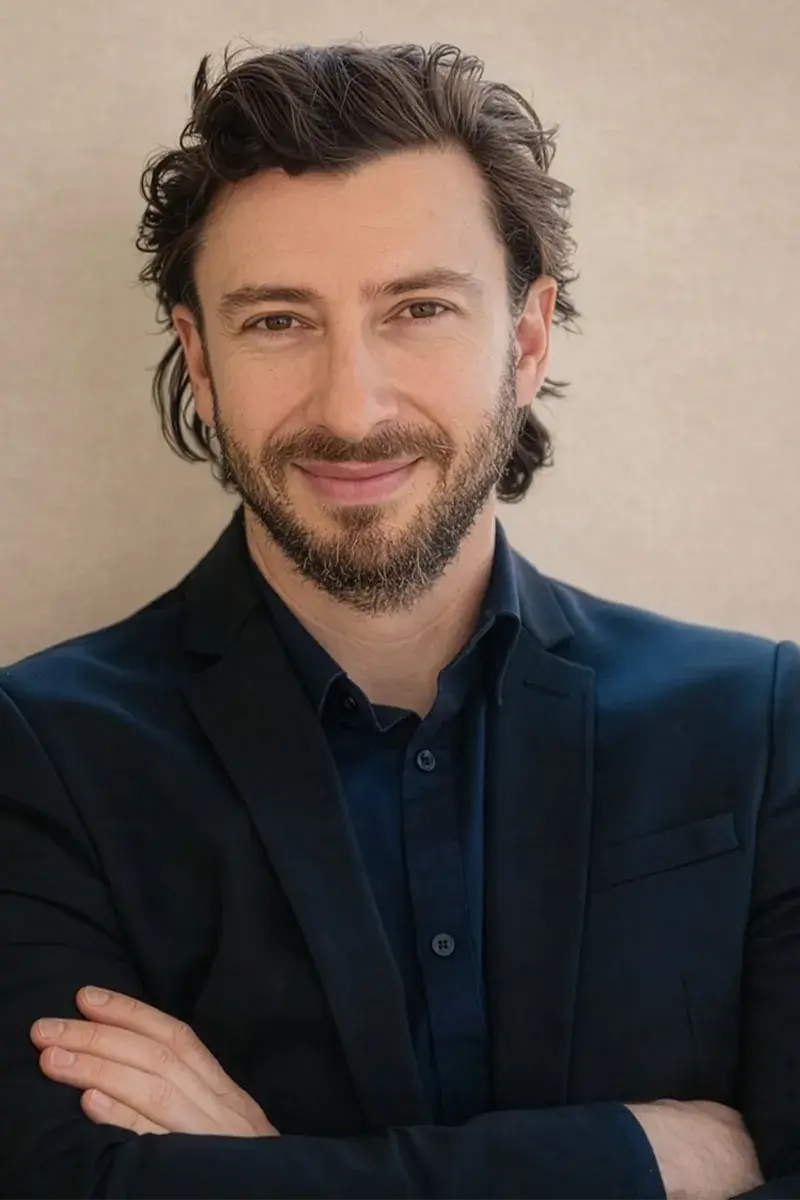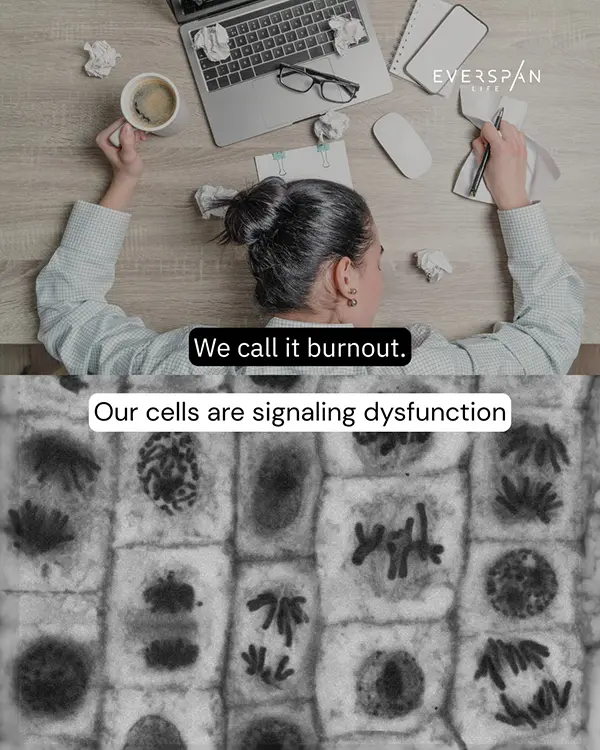
Dr. David Furman, PhD, is a leading researcher at Stanford University School of Medicine and a member of the Medical Advisory Board at EverSpan Life. His work focuses on "inflammaging"—the gradual rise of chronic, low-grade inflammation that serves as a hidden driver for cardiovascular disease, metabolic dysfunction, and neurodegeneration. By tracking advanced biomarkers such as CRP and interleukins, Dr. Furman identifies early biological shifts that standard healthcare often misses. His research-driven approach moves medicine from reactive treatment to proactive prevention, helping individuals preserve cognitive clarity, physical resilience, and independence by addressing the root biological causes of aging.
Current Practice or Institution Affiliation
Stanford University School of Medicine; Medical Advisory Board at EverSpan Life.
Education
PhD; researcher at Stanford University School of Medicine.
Areas of Expertise
Immunology, immune system changes over time, "Inflammaging" (chronic, low-grade inflammation), and biological aging.
In simple terms, what is your specialty?
Decoding inflammation and the biology of aging by studying how the immune system influences disease risk.
Why is this critical for healthspan (not just lifespan)?
Many age-related diseases are driven by chronic inflammation; regulating the immune system preserves energy, cognitive clarity, physical resilience, and independence.
What is one misconception about your field?
You can always feel inflammation; chronic inflammation is often silent and invisible, occurring for years before any symptoms appear.
What early warning markers do most people overlook? And what happens long-term if this area is ignored?
People overlook subtle shifts in C-reactive protein (CRP), interleukins, and immune signaling molecules. If ignored, it leads to cardiovascular disease, metabolic dysfunction, neurodegenerative conditions, and accelerated biological aging.
What does traditional healthcare get wrong about prevention?
It is designed to identify disease only once it is clinically significant, often dismissing subtle elevations as "normal" and failing to track long-term trends.
Why does advanced biomarker testing and tracking matter?
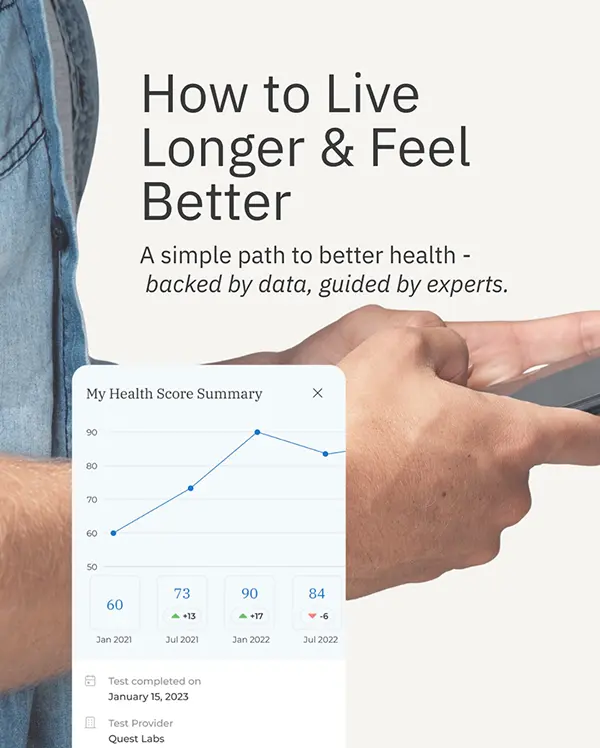
A single test is just a snapshot; tracking trends reveals the direction of health and allows for personalized interventions before decline accelerates.
Was there a defining moment in your career?
Being drawn to science by the fundamental question of what actually drives human health and disease, I realized that inflammation is a primary driver.
Why did you join EverSpan Life?
To close the gap between when biological changes begin and when intervention happens, and to translate complex science into actionable health strategies.
What excites you most about ESL's mission?
The systems-level understanding of aging and the ability to bring advanced research lab insights into everyday decision-making.
Current Practice or Institution Affiliation
EverSpan Life
Board Certifications
APTA
Education
Doctorate PT
Areas of Expertise
Preventative Medicine, Functional Medicine, Sports Medicine, Peptides
In simple terms, what is your specialty?
Diagnosis, prevention, and treatment of musculoskeletal injuries
Why is this critical for health span (not just lifespan)?
Movement is critical
What is one misconception about your field?
It is like massage
What early warning markers do most people overlook? And what happens long term if this area is ignored?
Inflammatory markers
What does traditional healthcare get wrong about prevention?
Traditional medicine does not address prevention and instead works with sick or injured care
Why does advanced biomarker testing and tracking matter?
Allows you to be preventative
Was there a defining moment in your career?
When I encountered health issues and my fathers journey with Lewy Body Dementia
Why did you join EverSpan Life?
Best option out there
What excites you most about ESL’s mission?
They are really geared toward the clients journey